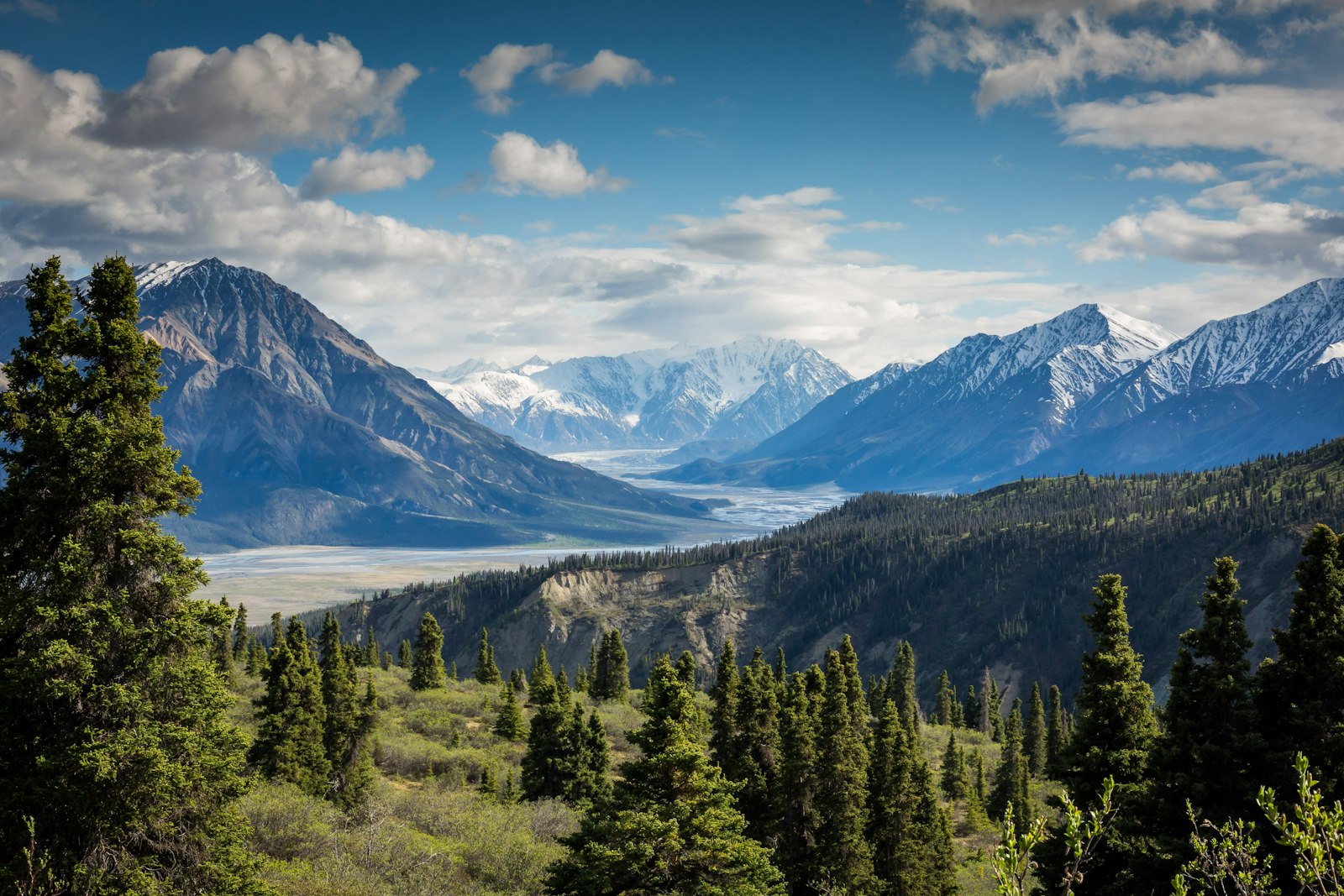
Trekking the Snowman Trail: Bhutan's Ultimate Adventure
The Snowman Trek is widely considered one of the most difficult and remote trekking routes in the world. Crossing eleven passes above 4,500 meters and traversing some of the most isolated terrain on the planet, it demands exceptional fitness, careful acclimatization, and a deep respect for the mountains.
The route stretches approximately 216 kilometers from Drukyel Dzong in Paro to Nikka Chhu in Bumthang, passing through the high-altitude districts of Laya and Lunana. These communities, accessible only on foot for much of the year, offer a glimpse of traditional Himalayan life unchanged for centuries. Layap women are recognizable by their distinctive conical bamboo hats, and yak herding remains the foundation of the local economy.
The most challenging section is the crossing into Lunana, a district sometimes called the most remote inhabited place in Bhutan. The trail passes close to Gangkhar Puensum (7,570m) — the highest unclimbed peak in the world. Bhutan has banned mountaineering above 6,000 meters for spiritual reasons, meaning this formidable peak will likely remain unconquered indefinitely.
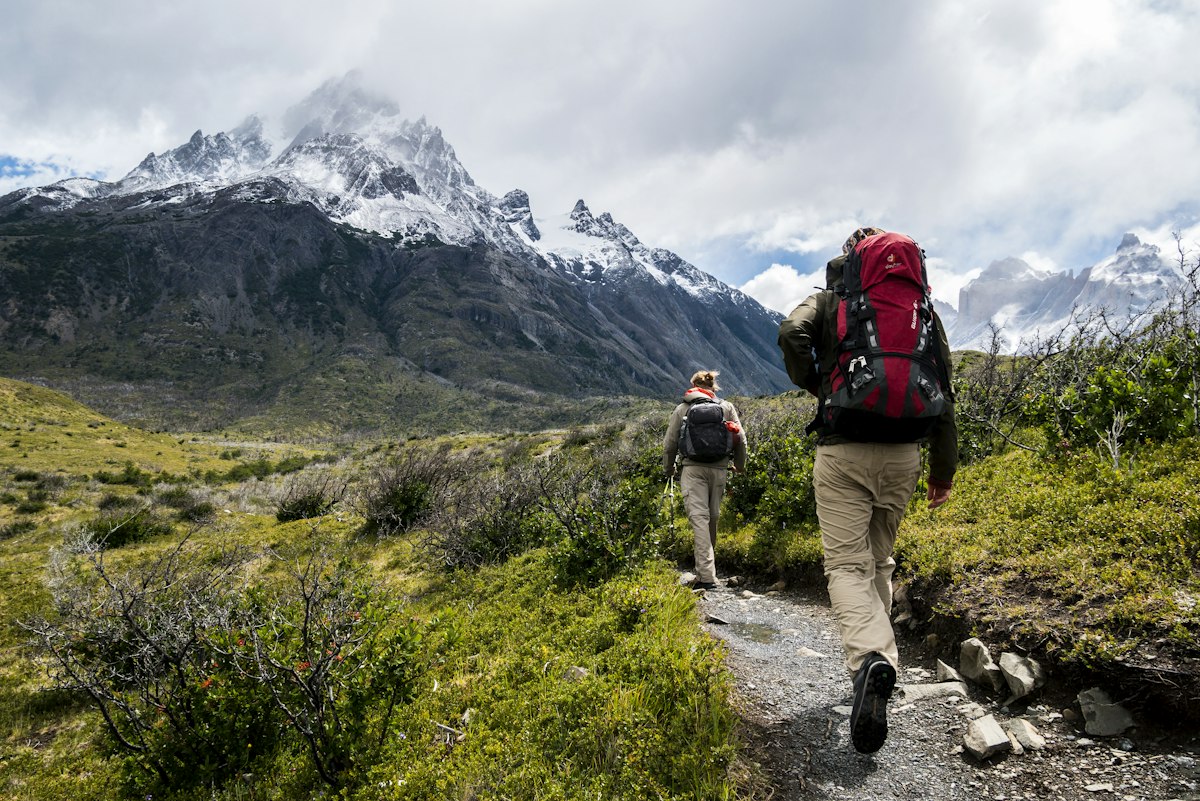
Preparation is everything. Trekkers should have previous high-altitude experience and excellent cardiovascular fitness. The best windows are late September to November for clearest skies and most stable weather. The trek requires camping throughout — no lodges exist along most of the route — and a full support team including cook, guide, and pack animals is mandatory.
Fewer than 10% of people who attempt the Snowman Trail complete it. Weather, altitude sickness, and sheer physical demand end many attempts. But for those who finish, the reward is unlike anything else in trekking: days without another foreigner in sight, summits with views of unnamed peaks, and communities that will welcome you with butter tea and quiet warmth.